
Eating Well for Your Skin: Small, Nourishing Changes to Try
Explore the connection between food and skin with simple meal ideas, a balanced look at diet and acne research, and small, nourishing changes—without restrictive rules or promises of perfect skin.
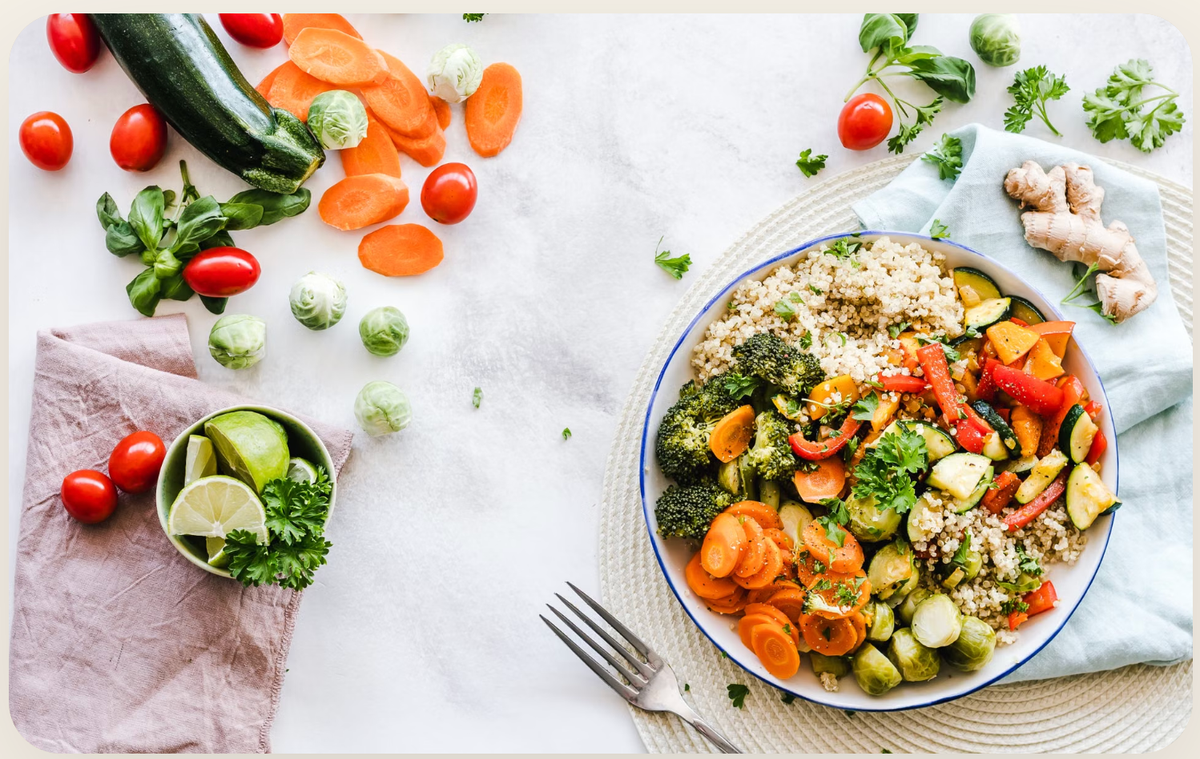
Supporting your skin can start with simple, satisfying meals—without a restrictive diet or promises of a perfect complexion.
It’s Lissa here, your fellow beauty enthusiast at Jonquil Beauty.
I spend much of my time researching ingredients, reading product claims, and looking for thoughtful ways to care for ourselves. That curiosity also extends to what’s on our plates.
Food is one small part of caring for ourselves, and it can be a lovely place to start. When it comes to skin, most of the research we’ll explore looks at acne. There’s still plenty to learn, and no single menu works for everyone.
So let’s explore a few practical ideas with room for enjoyment, individual needs, and realistic expectations.
Health & Nutrition Note: These ideas are for general learning and don’t replace personal medical or nutrition advice. Before cutting out food groups or trying supplements, check in with your healthcare professional or registered dietitian, especially if you’re pregnant, breastfeeding, managing a health condition, or taking medication. Supplements can interact with medicines. Keep following your prescribed care; everyone’s skin responds differently.
What Does Research Say About Food and Acne?
Some research suggests that eating patterns with a lower glycemic load may help certain people with acne. However, studies vary, and individual responses differ. A 2022 systematic review also found mixed findings around dairy, with differences between populations. These findings don’t support a single diet that works for everyone. Read the systematic review in JAAD International.
That distinction matters: a possible connection is a starting point for a conversation, not a reason to blame yourself for a breakout.
The American Academy of Dermatology explains that diet changes may help some people, while acne care can also require appropriate skincare and medication. Food choices should complement your treatment rather than replace it. See the AAD’s guidance on diet and acne.
Build a Plate You’ll Actually Enjoy
Rather than beginning with a long list of foods to eliminate, consider what you could add to make meals more varied and satisfying.
Think colorful vegetables, fruit, beans, whole grains, nuts, seeds, and protein foods you enjoy. These can become the foundation for everyday meals without requiring an expensive shopping list.
A few combinations to try:
- Salmon or chickpeas over greens, with tomatoes, avocado, and an olive-oil dressing.
- Lentil soup with whole-grain toast and a side salad.
- Tofu, chicken, or beans with roasted vegetables and quinoa.
- A baked sweet potato topped with black beans and a spoonful of salsa.
Frozen vegetables, canned beans, and other convenient staples belong here, too. Preparing a nourishing meal doesn’t have to mean making everything from scratch.
Cozy Breakfasts to Make Mornings Easier
If you enjoy a comforting breakfast, a bowl of oats offers plenty of possibilities.
Try steel-cut oats with berries, chopped nuts, and cinnamon. Or prepare overnight oats when you’d rather have breakfast ready before the morning begins.
Prefer something savory? Eggs or tofu with whole-grain toast and vegetables can offer a welcome change.
The idea is to find a breakfast you enjoy and can return to—not to turn your first meal into another complicated beauty routine.
Do You Need to Give Up Dairy or Sugar?
There’s no need to turn this into an all-or-nothing challenge.
Some studies link cow’s milk with acne, but that doesn’t mean everyone who drinks milk will experience breakouts. The evidence also differs across dairy foods. A blanket instruction to eliminate all dairy goes further than the research supports. The AAD explains these distinctions here.
If you notice a recurring pattern, discuss it with a dermatologist or registered dietitian before removing an entire food group.
Similarly, considering how often you drink sugary beverages or eat highly refined carbohydrates is different from banning every dessert. You can enjoy a holiday cookie without treating it as a skincare failure.
Your eating habits should leave room for nourishment, flexibility, and pleasure.
What About Omega-3s and Green Tea?
Omega-3s are another interesting piece of the food-and-skin conversation.
A small 2024 study followed 60 people with acne through a Mediterranean-style eating pattern combined with omega-3 supplementation. Their acne improved over the study period. Because several changes happened together and there was no separate control group, the study cannot establish which change produced the improvements. It also doesn’t prove that supplements will help everyone. Read the Guertler study.
You don’t need to begin a supplement routine to explore more varied meals.
And if you enjoy green tea, a warm cup can be a lovely little pause in your day. Enjoy it for that simple pleasure, with no clear-skin promises attached.
A Gentle Seven-Day Starting Point
Use this week as a little invitation to try something nourishing. Focus on what feels enjoyable and easy to repeat; seven days is a starting point for habits, rather than a deadline for skin changes.
- Day one: Add a fruit or vegetable you enjoy to one meal.
- Day two: Try oats or another whole-grain breakfast.
- Day three: Build a meal around beans, chickpeas, or lentils.
- Day four: Prepare a satisfying snack, such as fruit and nuts or vegetables with hummus.
- Day five: Try one of the meal combinations above.
- Day six: Make extra portions of something you enjoyed for an easier meal tomorrow.
- Day seven: Reflect on what felt enjoyable, affordable, and realistic enough to repeat.
Choose one or two ideas if that feels more manageable. There’s no need to change everything at once.
From My Heart to Yours
Caring for yourself shouldn’t feel like a constant search for things you’re doing wrong.
You can explore the relationship between food and skin with curiosity while remembering that your complexion is not a report card on your eating habits.
Start with a meal you enjoy. Add variety where you can. Ask for professional support when you need it, and leave room for the foods and traditions that make life feel good.
What’s one nourishing meal you genuinely look forward to? I’d love to hear about it in the comments.
Rooting for you, always. 🌿
Lissa
A Little More Care in Your Inbox
Enjoy thoughtful conversations about beauty, ingredients, and everyday self-care?
Join Pure Insights by Jonquil Beauty for honest reviews, practical ingredient education, and discoveries to help you make informed choices.
Sign up free below. We’d love to have you.
About the Author: I’m Lissa, a volunteer researcher with Jonquil Beauty and a clean beauty advocate. I research ingredients, explore product formulations, and share personal product experiences to help readers make more informed choices. I share what I learn through research and personal experience; I’m not a physician, registered dietitian, or cosmetic chemist.