Toluene in Beauty Products: Why This Ingredient Raises Red Flags
Toluene is a common nail polish solvent with inhalation concerns. Learn why it’s considered a toxic beauty ingredient and how to choose toluene-free nail products.
Toluene is one of those ingredients that often comes up in conversations about “toxic” or questionable beauty ingredients, especially in nail polish. It is a solvent, which means it helps dissolve other ingredients and helps create the smooth, glossy, easy-to-apply finish many traditional nail products are known for.
The concern is that toluene is also a volatile chemical, meaning it can evaporate into the air and be inhaled. That is where most of the concern comes in, especially for people who use nail products often or work in salons with repeated exposure.
What is toluene?
Toluene is a petrochemical solvent that can be found in products such as paints, adhesives, paint thinners, and some nail products. In cosmetics, it has historically been used in certain nail polishes, nail hardeners, and polish removers.
In nail polish, toluene helps polish glide on smoothly and dry evenly. But from a clean beauty perspective, it is an ingredient many shoppers prefer to avoid because of its inhalation concerns and potential health effects with higher or repeated exposure.
Why is toluene considered concerning?
The main concern with toluene is breathing in its vapors. Exposure to toluene vapors may cause symptoms such as headache, dizziness, drowsiness, nausea, or irritation. With higher or repeated exposure, concerns may include effects on the nervous system and other health risks.
This does not mean every occasional manicure is automatically dangerous. Dose, exposure level, ventilation, and frequency matter. But it does explain why toluene became one of the classic ingredients removed from many “3-free” nail polish formulas.
Why nail products get extra attention
Nail products are unique because they are often used close to the face, can have a strong scent, and may be applied in poorly ventilated rooms. For salon workers, the concern can be greater because exposure may happen for many hours a day, several days a week.
For everyday shoppers, the goal is not fear. It is awareness. If there are beautiful nail polish options that avoid toluene, many ingredient-conscious beauty lovers would rather choose those formulas.
How to spot toluene on a label
Look for the word:
Toluene
It may be listed plainly in the ingredient list. You may also see brands market themselves as:
“3-free”
“5-free”
“7-free”
“10-free”
“Toluene-free”
These claims can be helpful, but they are not perfect. A polish can be toluene-free and still contain other ingredients worth researching. The best approach is to look at the full ingredient list and choose brands that are transparent about what they use and why.
Jonquil Beauty take:
At Jonquil Beauty, we would place toluene in the “best to avoid when possible” category, especially in nail products. It is not about panic or perfection. It is about choosing formulas that feel more aligned with a lower-exposure, ingredient-conscious beauty routine.
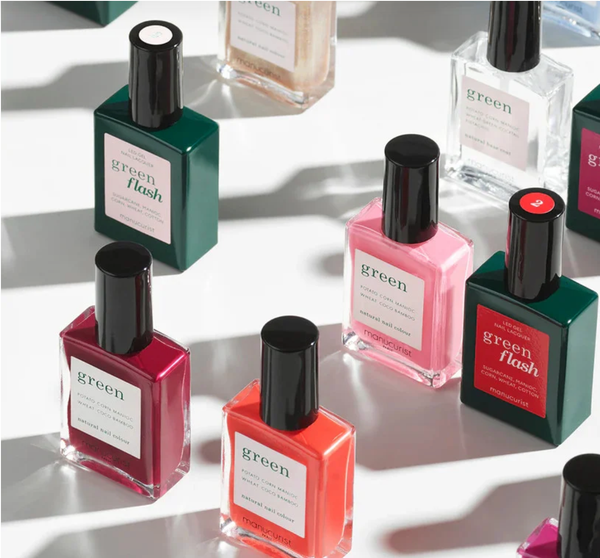
A better approach is to look for nail polish brands that clearly disclose ingredients, offer toluene-free formulas, and encourage safer application habits, such as using polish in a well-ventilated space and avoiding unnecessary overexposure.
Here's the skinny:
Toluene is a solvent that can help nail polish perform beautifully, but it is a toxic ingredient that comes with enough inhalation and nervous system concerns that many clean and clean-leaning beauty brands avoid it.
For the average beauty lover, choosing toluene-free nail polish is a simple swap that supports a more mindful nail care routine without giving up pretty color, shine, or a polished finish.
For anyone trying to reduce toxic ingredients in nail polish, choosing a toluene-free formula is one of the easiest places to start.